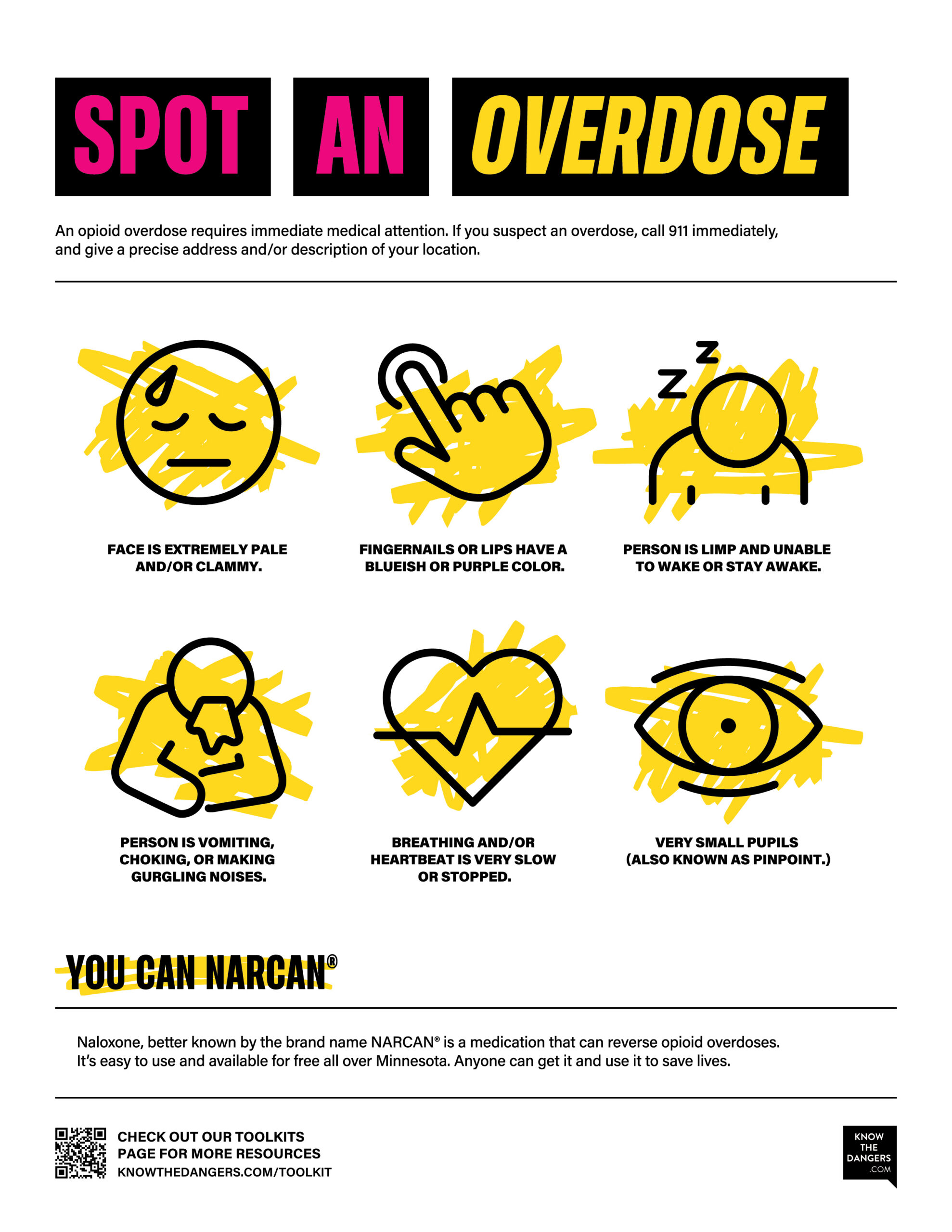
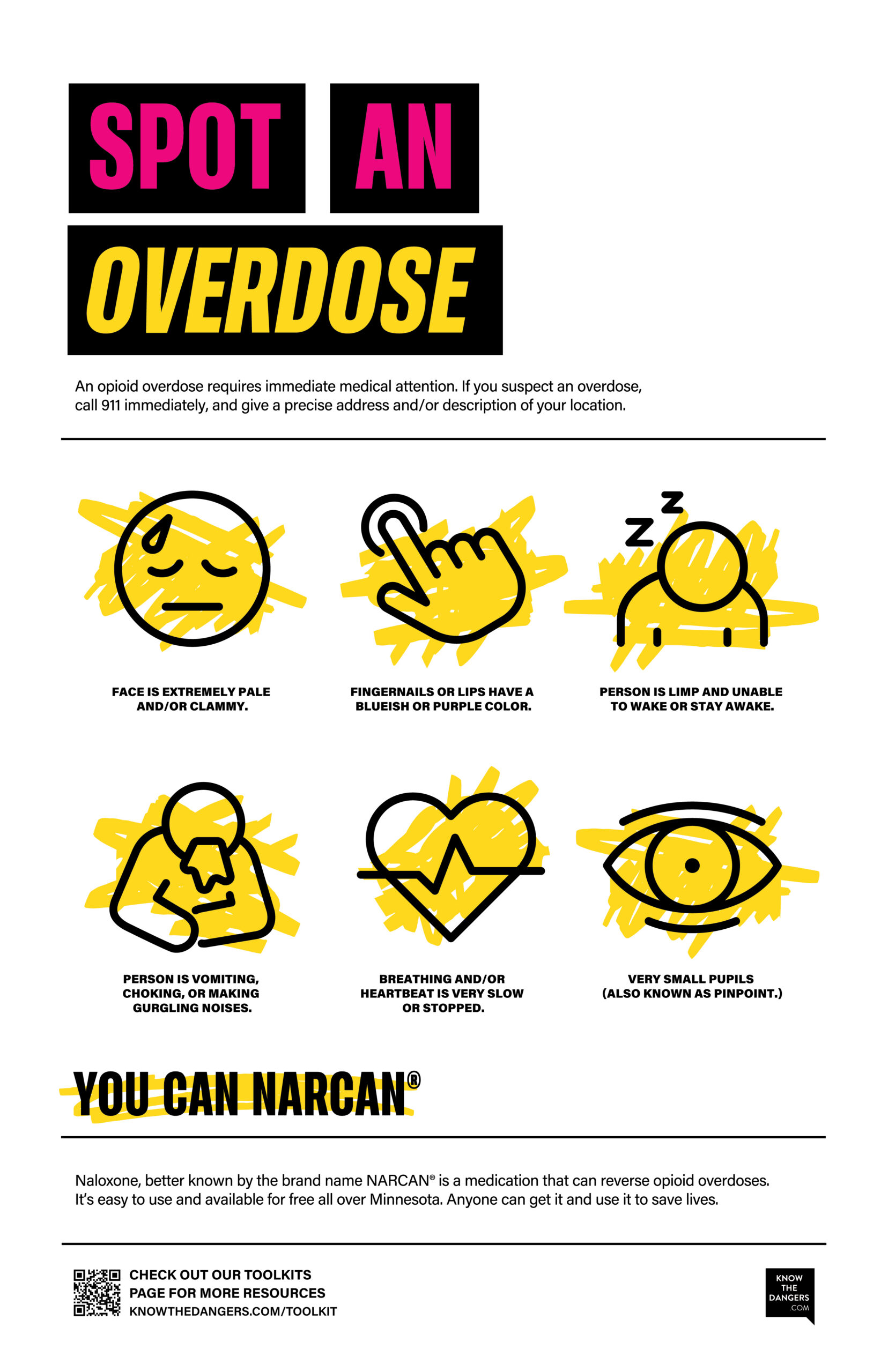
An opioid overdose requires immediate medical attention. Call 911 immediately if you or someone you know exhibits any of the symptoms.
Overdoses can happen quickly. And when they occur, every minute counts. If you know how to spot an overdose and what to do, you can save lives.
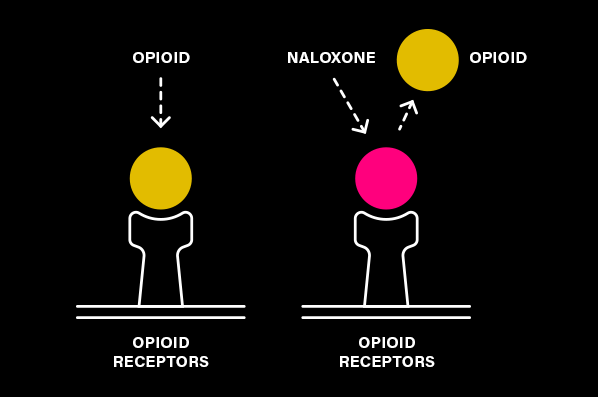
Simply put, when someone overdoses on opioids, the drug overwhelms the brain’s normal controls over vital functions like breathing. Opioids bind to receptors that normally regulate pain, mood, and the automatic drive to breathe. In an overdose, these receptors are flooded far beyond normal levels and don’t function the way they should.
The brain stem is suppressed and stops sending the signal to breathe.
Breathing becomes slow, shallow, and irregular, resulting in a gurgling or snoring sound.
Blood oxygen levels drop, and the body stops getting the oxygen it needs.
The person loses consciousness because the brain is lacking oxygen.
The person becomes unresponsive and cannot be woken up.
Lips, fingernails, and skin turn bluish or purple. This is a classic sign of overdose.
The heart can stop. If breathing stops, the heart eventually runs out of oxygen, and cardiac arrest follows.
That’s what makes opioid overdoses so deadly: they can go from drowsy to fatal in a very short time, especially with potent synthetic opioids like fentanyl.
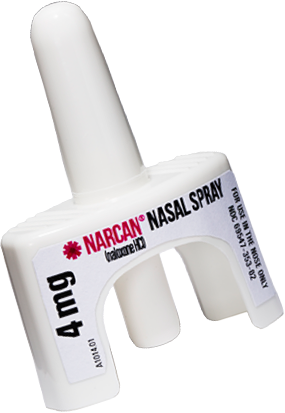
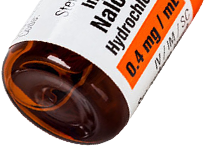
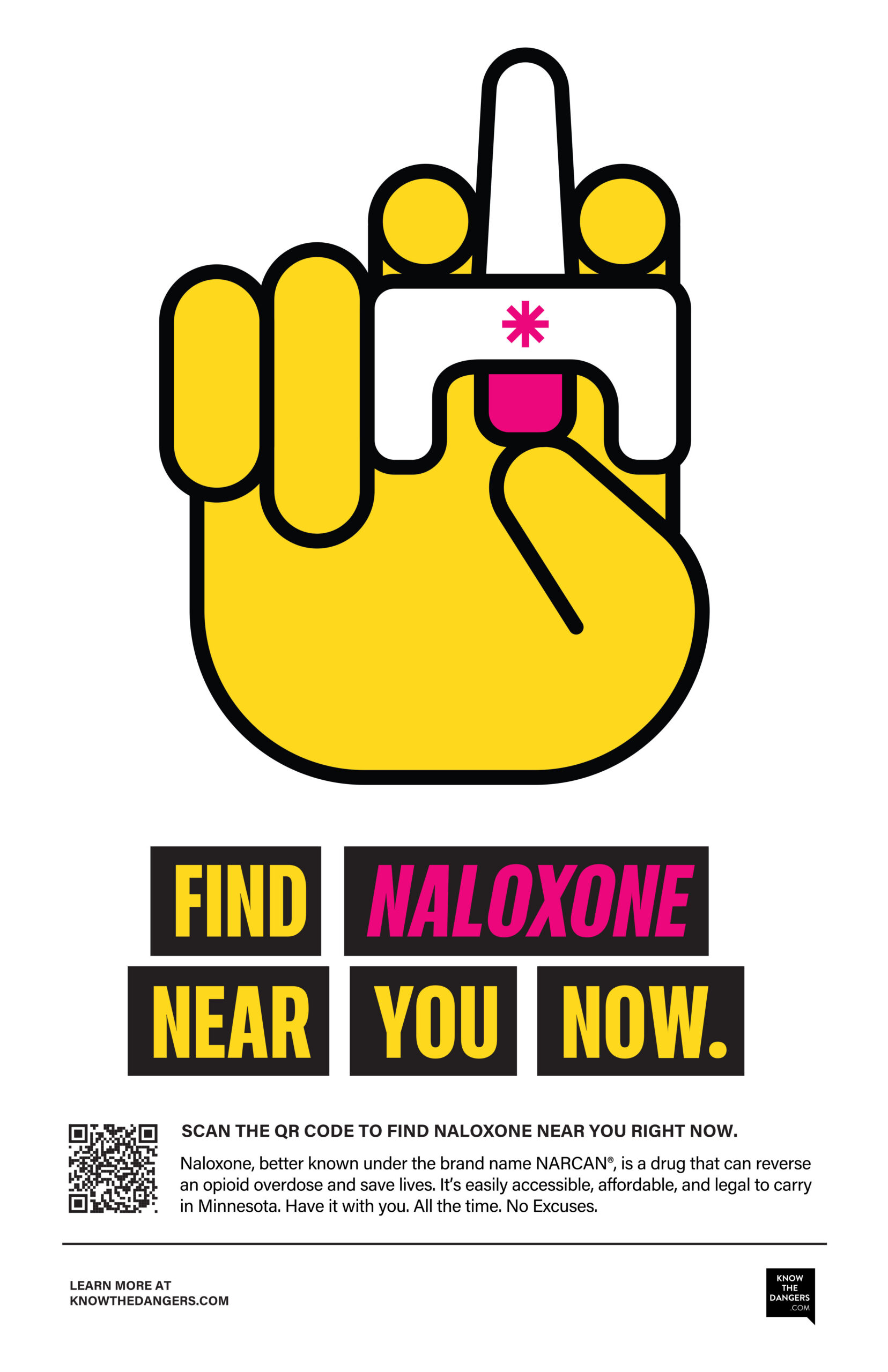
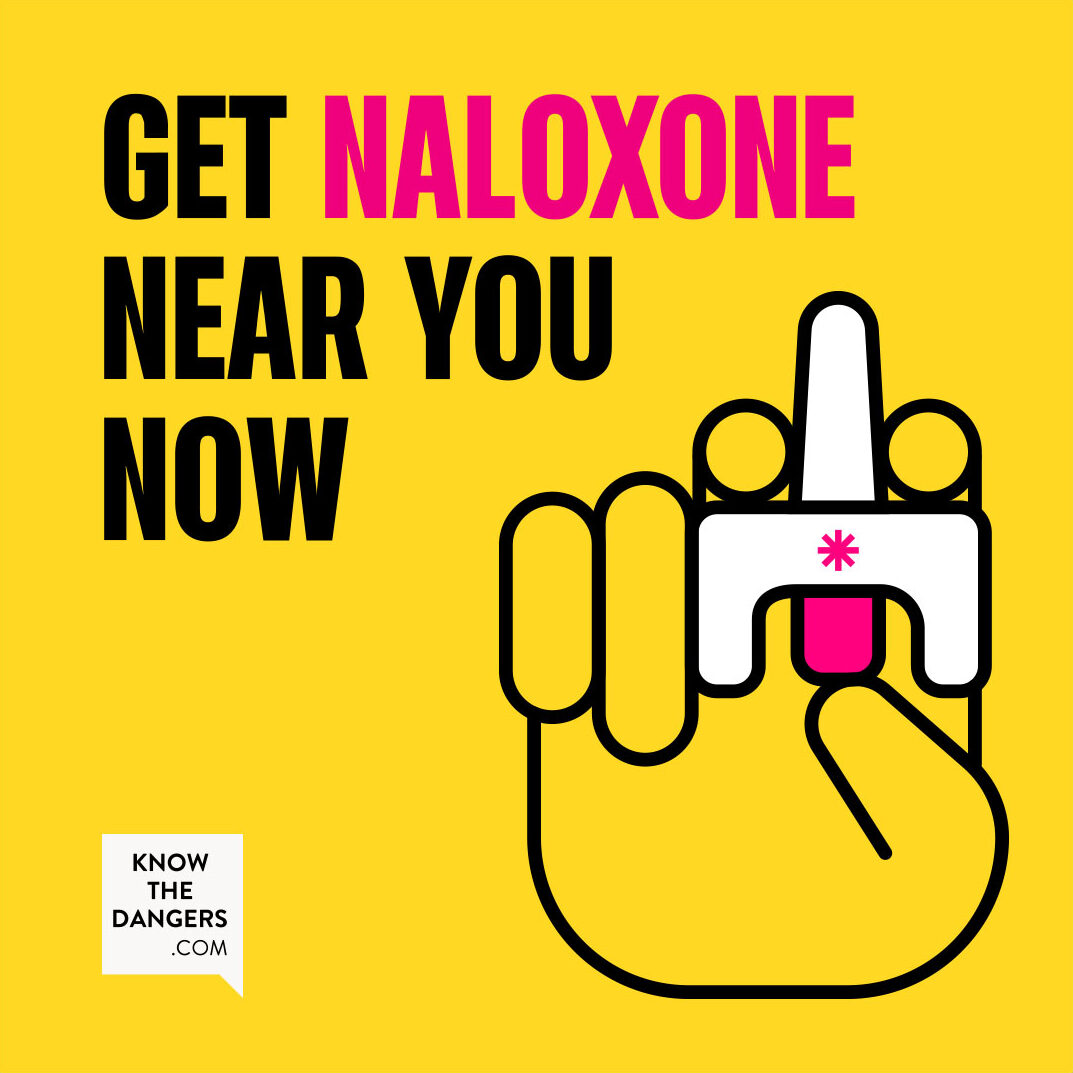
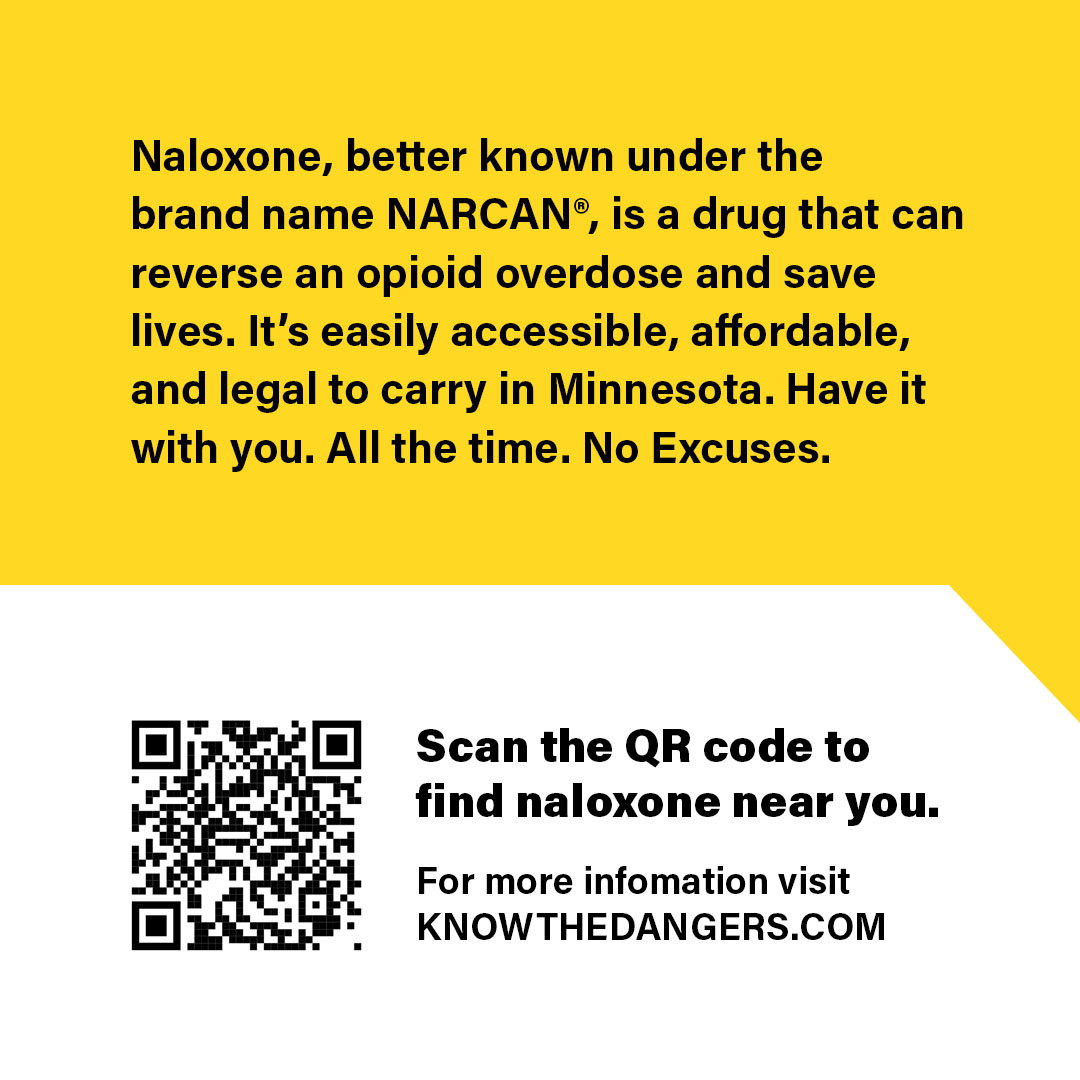
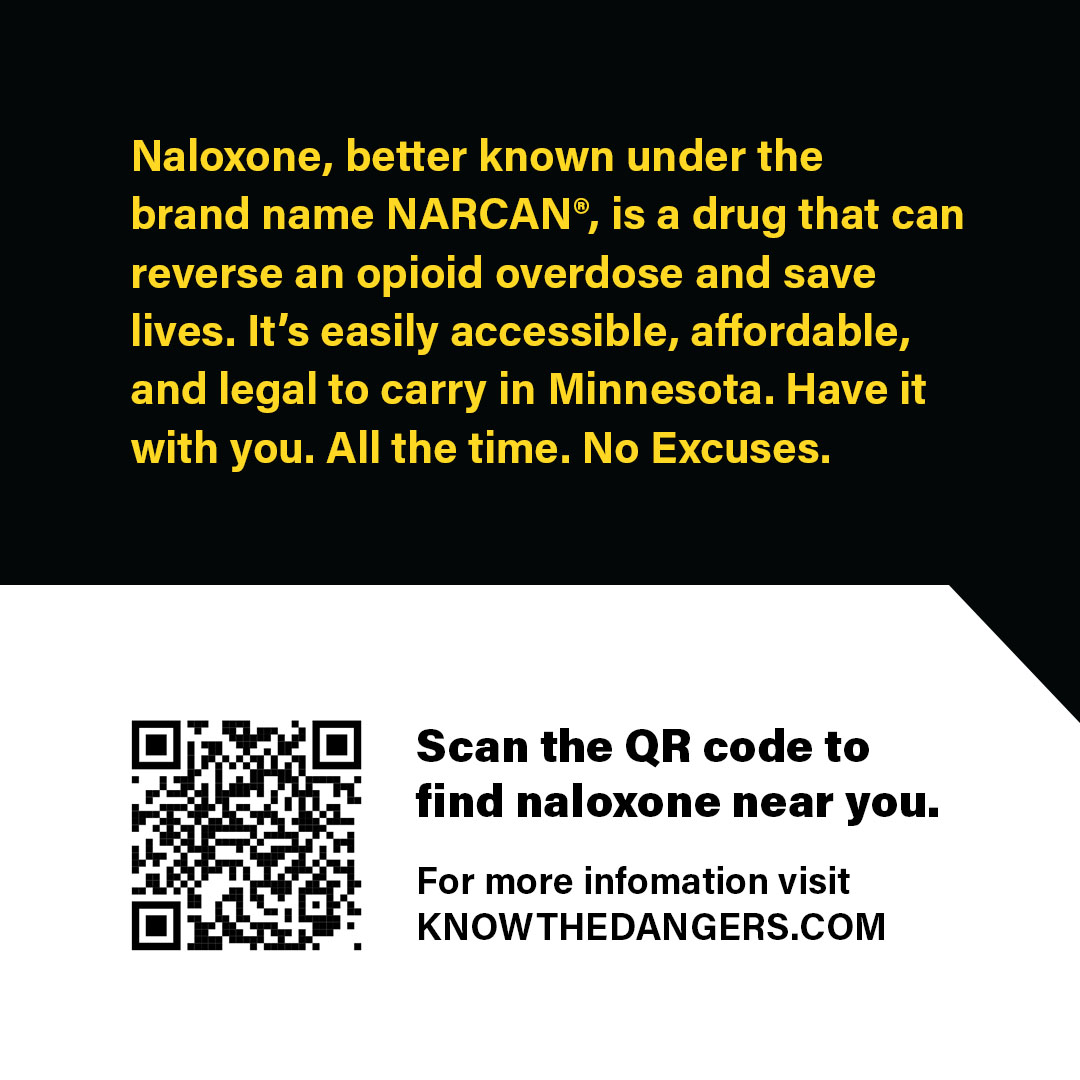
Naloxone, also known as NARCAN®, is a drug that can quickly reverse an opioid overdose. Even better, it’s easy to come by, legal to carry, and everyone can use it.
See three ways to get naloxone near you.
When a person experiencing an overdose is given naloxone, the opioids get knocked off the receptors, and normal brain functions can resume. That means the person can breathe again and won’t die from lack of oxygen. However, they will still need immediate medical attention. Always call 911 first and then administer naloxone.

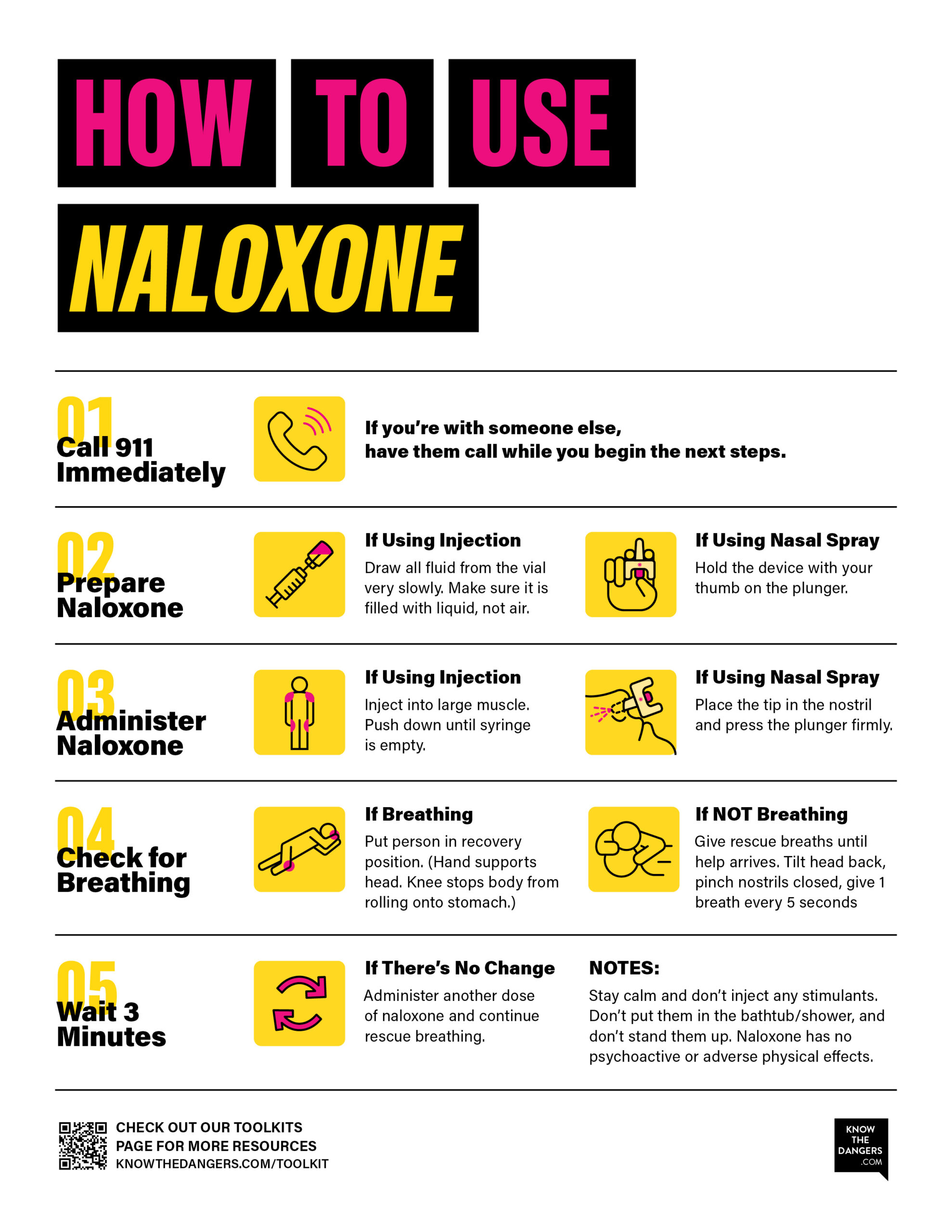
If you’re with someone else, have them call while you begin the next steps.
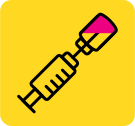
Draw all fluid from the vial very slowly. Make sure it is filled with liquid, not air.
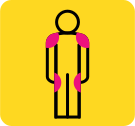
Inject into large muscle. Push down until syringe is empty.
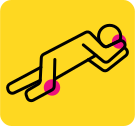
If breathing, put person in recovery position. (Hand supports head. Knee stops body from rolling onto stomach.)
If NOT breathing, give rescue breaths until help arrives. Tilt head back, pinch nostrils closed, give 1 breath every 5 seconds.
If there’s no change administer another dose of naloxone and continue rescue breathing.
NOTES: Stay calm and don’t inject any stimulants. Don’t put them in the bathtub/shower, and don’t stand them up. Naloxone has no psychoactive or adverse effects.
If you’re with someone else, have them call while you begin the next steps.
Hold the device with your thumb on the plunger.
Place the tip in the nostril and press the plunger firmly.
If breathing, put person in recovery position. (Hand supports head. Knee stops body from rolling onto stomach.)
If NOT breathing, give rescue breaths until help arrives. Tilt head back, pinch nostrils closed, give 1 breath every 5 seconds.
If there’s no change administer another dose of naloxone and continue rescue breathing.
NOTES: Stay calm and don’t inject any stimulants. Don’t put them in the bathtub/shower, and don’t stand them up. Naloxone has no psychoactive or adverse effects.
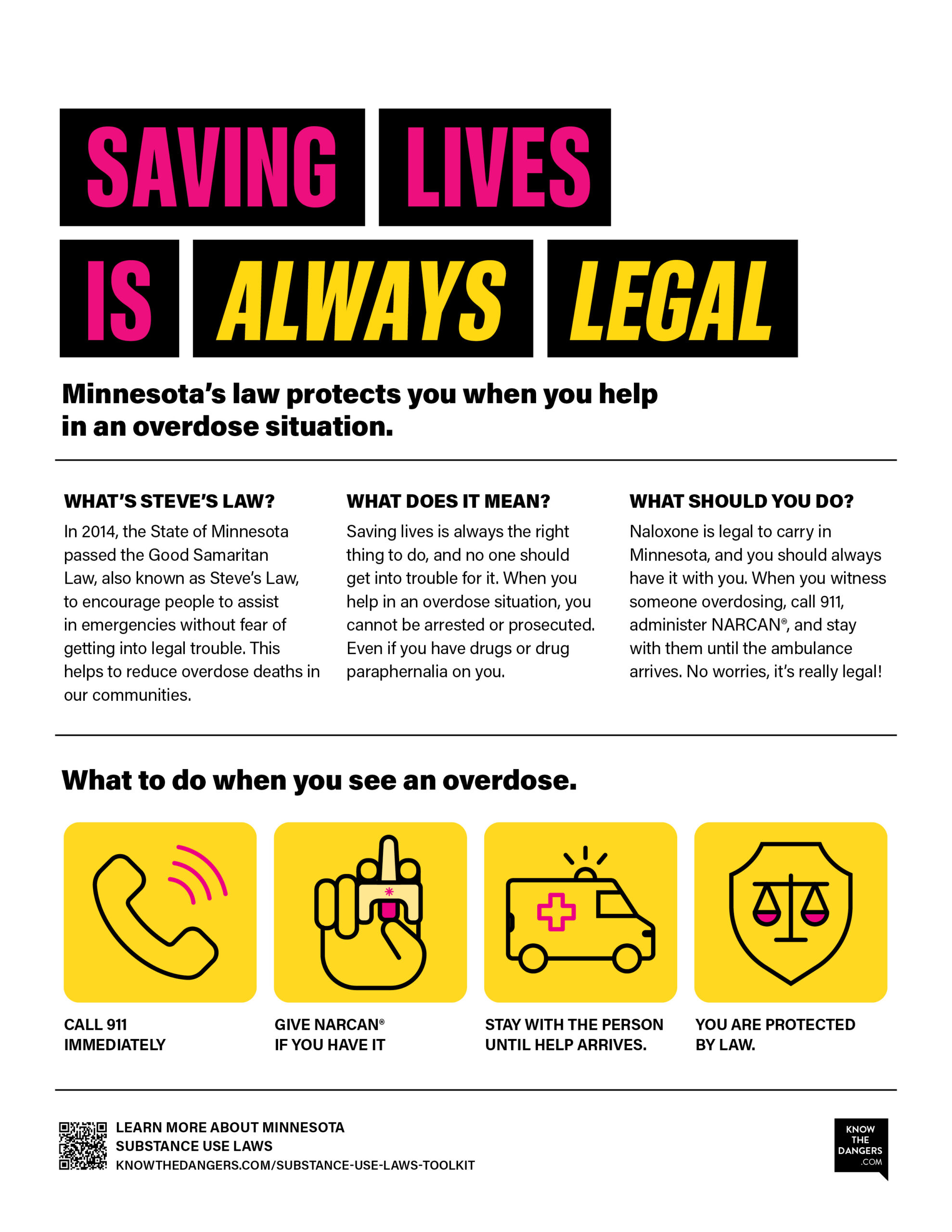
In Minnesota, the Good Samaritan Law protects everyone who helps in an overdose situation from legal trouble. Even if you have drug paraphernalia like pipes, syringes, or needles on you, you won’t get prosecuted for that. This law, also known as “Steve’s Law,” was passed to encourage everyone to step up and save lives without worrying about legal consequences.
Use the free materials below to share life-saving information about substance use, overdose prevention, and recovery with your community, family, and friends.
Resources
Know the Substances
Learn More
Resources
Know the Dangers
Resources
Know the Resources
Learn More
Resources
Know the Facts
Learn More
Resources
Know the Signs
Learn More
Resources
Know the Resources
Learn More
Resources
Know the Stories
Learn More
Resources
About Know the Dangers
Learn More
Resources